

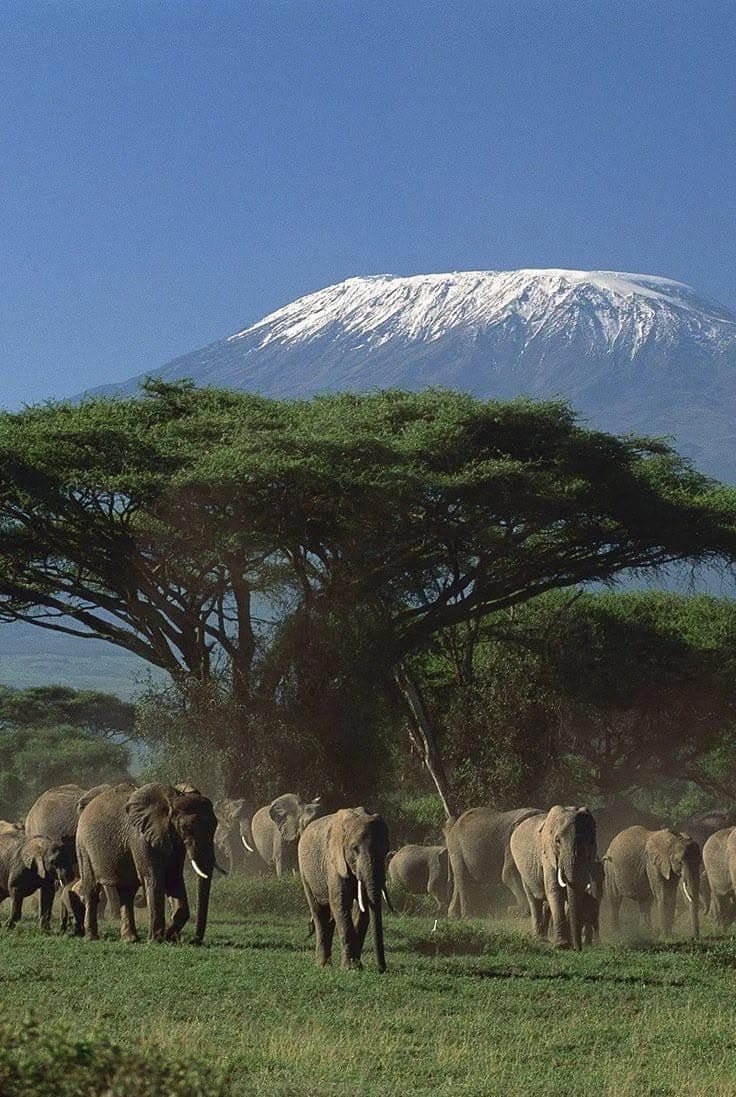
When you see an elephant walking across the African savannah, you may notice its enormous size, long trunk and impressive tusks. But there is much more to these gentle giants than their appearance.
African elephants are among the most intelligent and socially complex animals on Earth. They have strong family bonds, communicate in remarkable ways and play an important role in keeping the African wilderness healthy.
From caring mothers and protective family groups to long-distance communication, elephants have a fascinating world that many people never get to see.
Let’s discover what makes these magnificent animals so special.
1. Elephants Have Strong Family Bonds
Elephants are highly social animals that live in close family groups. These groups are usually made up of related females and their young calves.
An experienced older female, known as the matriarch, often leads the herd. She guides the family towards food and water and helps them respond to danger. Her experience is valuable, especially during difficult seasons.
Young elephants grow up surrounded by mothers, sisters, aunts and other family members. When a calf is born, other females may help protect and care for it.
This close family structure helps young elephants learn important survival skills as they grow.
2. How Do Elephants Communicate?
Elephants have several ways of communicating. They use sounds, body movements, touch and scent to share information.
Some of their calls are loud and easy to hear. Others are low-frequency sounds known as infrasound. These sounds can travel over long distances, helping elephants communicate even when they cannot see one another.
They also use their trunks to touch and greet other elephants. A gentle trunk touch can help strengthen relationships, while body movements and ear positions can communicate excitement, warning or discomfort.
Their communication system is one of the reasons elephant family groups are so closely connected.
3. Why Are Elephants Known for Their Memory?
You have probably heard the expression, “An elephant never forgets.”
Although this saying is not literally true, elephants do have impressive memories. They can remember important feeding areas, water sources and familiar members of their social groups.
This ability becomes especially useful during dry seasons when finding water and food can be difficult.
Older elephants often use their experience to guide younger members of the herd. Their knowledge can help the family survive changing conditions in the wilderness.
4. How Do Elephants Protect Their Young?
An elephant calf depends heavily on its mother during its early years. However, protection is not always the responsibility of the mother alone.
Other females in the herd may help watch over the young. When danger approaches, elephants can form a protective group around their calves.
Their large size, strong bodies and close family relationships help them defend themselves against threats.
Watching a herd of elephants move together, with the young calves safely surrounded by adults, is one of the most memorable experiences on an African safari.
5. What Do African Elephants Eat?
Despite their enormous size, elephants are herbivores, meaning they feed on plants.
Their diet includes:
- Grass
- Leaves
- Tree bark
- Roots
- Fruits and branches
Elephants spend many hours feeding because their bodies require large amounts of food and water.
Their feeding habits also help shape the environment. As they move through the wilderness, they spread seeds through their dung, create pathways through vegetation and sometimes dig for water during dry periods.
This makes them important contributors to the health of many African ecosystems.
6. The Two Species of African Elephants
Did you know that Africa has two distinct elephant species?
African Savannah Elephant
The African savannah elephant is the larger of the two. It is commonly found in open grasslands, savannahs and woodland habitats. Kenya’s Amboseli and Tsavo ecosystems are well-known places to see these impressive animals.
African Forest Elephant
The African forest elephant is smaller and lives mainly in the dense tropical forests of Central and West Africa. It has adapted to life in thick forest environments.
Both species are important to their ecosystems, but they face serious threats from habitat loss and poaching.
7. Where Can You See Elephants in Kenya?
Kenya offers wonderful opportunities to observe elephants in their natural habitats.
Some of the best destinations include:
Amboseli National Park: Famous for its large elephant herds and beautiful views of Mount Kilimanjaro. It is one of Kenya’s most popular destinations for elephant photography.
Tsavo East and Tsavo West National Parks: Together, these parks form one of Kenya’s largest protected wildlife areas. They are known for their vast landscapes and famous red-dust elephants.
Samburu National Reserve: Offers opportunities to see elephants along the Ewaso Nyiro River, surrounded by beautiful semi-arid landscapes.
Maasai Mara National Reserve: Although best known for the Great Wildebeest Migration, the Mara also provides opportunities to encounter elephants during game drives.
Wildlife sightings are never guaranteed, but travelling with an experienced safari guide can help you make the most of your visit.
8. Why Are Elephants Important to the African Wilderness?
Elephants are often described as ecosystem engineers because their activities help shape the natural environment.
As they feed, they open up vegetation and create pathways that other animals may use. They also spread seeds, helping plants grow in different areas.
During dry periods, elephants may dig into dry riverbeds to reach underground water. These water sources can sometimes benefit other animals too.
Without elephants, many African ecosystems would look very different.
9. Protecting These Gentle Giants
Despite their strength and size, African elephants face several threats. Poaching, habitat destruction and conflicts with people remain major challenges.
Protecting elephants requires conservation efforts, responsible tourism and support for the communities living alongside wildlife.
As a visitor, you can also play a part. Keep a safe distance during wildlife encounters, never feed wild elephants and always follow your guide’s instructions.
Responsible safari experiences help people appreciate wildlife while respecting its natural behaviour.
Experience the World of Elephants with Dawnlight Safaris
Seeing elephants in the wild is an experience that stays with you long after the journey ends. Whether you watch a mother guiding her calf through Amboseli or encounter a herd crossing the open plains of Tsavo, every sighting offers something special.
At Dawnlight Safaris, we help travellers discover Kenya’s remarkable wildlife through memorable safari experiences.
Ready to meet Africa’s gentle giants? Contact Dawnlight Safaris and start planning your Kenyan wildlife adventure.
