

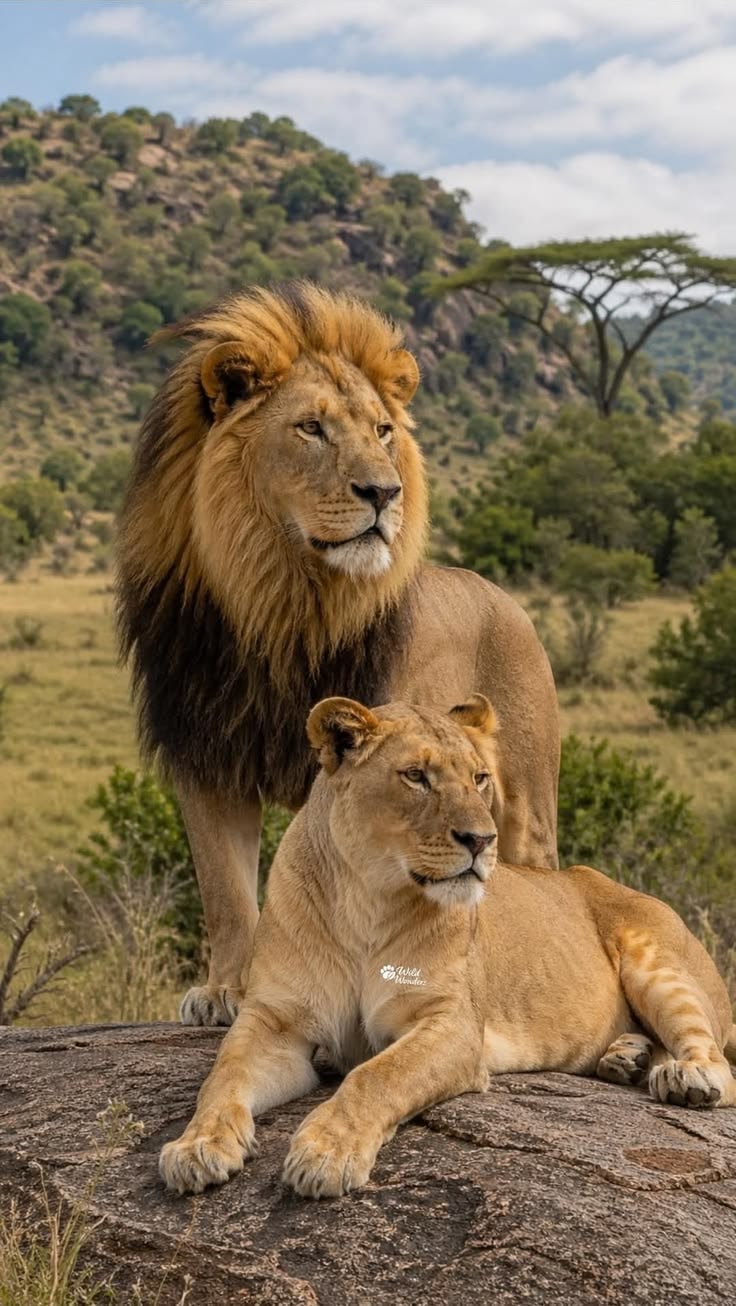
Africa is famous for its incredible wildlife. From powerful lions roaming the grasslands to eagles soaring high above the trees, the continent is home to some of nature’s most skilled hunters.
Many people think of lions, leopards and cheetahs when they hear about African predators. However, there is much more to discover. Crocodiles hunt beneath the water, hyenas work together in groups, and eagles search for prey from the sky.
Each predator has unique skills. More importantly, every one of them plays a role in keeping nature balanced.
Let’s explore some of the most fascinating hunters in the African wilderness.
1. Lions: The Kings of the Savannah
<escape></escape>
Lions are among the most famous African predators. Although they are often called kings of the jungle, they mainly live in open grasslands and savannahs.
Unlike most big cats, lions live in groups known as prides. This makes them different from leopards and cheetahs, which usually hunt alone.
Lionesses do most of the hunting. They often work together to catch animals such as zebras, wildebeest and antelopes. Meanwhile, male lions help defend the pride and its territory.
Where to see them: Maasai Mara, Amboseli and Tsavo National Parks.
2. Leopards: Masters of Stealth
Leopards are known for their beauty, strength and secretive behaviour. Their spotted coats help them blend into trees, bushes and rocky surroundings.
As a result, spotting one in the wild can be challenging.
Leopards usually hunt alone. They are also excellent climbers. After catching prey, they may carry it into a tree to keep it away from other predators.
Their patience and ability to adapt make them successful hunters.
Where to see them: Maasai Mara, Samburu and Tsavo.
3. Cheetahs: The Fastest Land Animals
When it comes to speed, the cheetah is in a class of its own. It is the fastest land animal and can reach remarkable speeds during short chases.
Its slim body, long legs and flexible spine help it accelerate quickly. In addition, the black markings running from its eyes to its mouth make it easy to recognise.
Unlike lions, cheetahs depend on speed rather than strength when hunting. They mainly chase smaller antelopes, such as gazelles.
However, these fast chases require a lot of energy. Therefore, cheetahs must choose the right moment to attack.
Where to see them: Maasai Mara and other open grasslands in Kenya.
4. Hyenas: More Than Scavengers
Hyenas are often misunderstood. Many people believe they only feed on animals killed by other predators. However, spotted hyenas are also excellent hunters.
They live in groups called clans. Together, they can hunt animals such as wildebeest, zebras and antelopes.
Their powerful jaws allow them to crush bones and eat parts of carcasses that other animals leave behind.
Hyenas also help clean the environment by feeding on dead animals. This makes them an important part of the ecosystem.
Where to see them: Maasai Mara, Amboseli and Tsavo.
5. African Wild Dogs: The Power of Teamwork
African wild dogs are among the most effective team hunters in the wild.
They live in packs and depend on cooperation when chasing prey. Instead of relying on individual strength, they work together to catch their food.
Their colourful coats and large rounded ears make them easy to recognise. They mainly hunt antelopes and other medium-sized animals.
Unfortunately, these animals face serious threats. Habitat loss, disease and conflict with people have reduced their numbers in many areas.
Where to see them: Laikipia and selected wildlife areas in northern Kenya. Sightings are not guaranteed.
6. Crocodiles: Silent Hunters of the Water
Africa’s rivers and lakes are home to the powerful Nile crocodile.
Unlike lions and cheetahs, crocodiles do not chase their prey across open land. Instead, they wait quietly beneath the water.
Their eyes and nostrils remain above the surface while most of their bodies stay hidden. When an animal comes close, they strike with powerful jaws.
They feed on fish, birds and mammals that approach the water.
During the Great Migration, crocodiles in the Mara River are famous for waiting for wildebeest and zebras attempting to cross.
Where to see them: Mara River, Lake Turkana and other suitable waterways.
7. Eagles: Powerful Hunters of the Sky
The African wilderness is not ruled by land predators alone. High above the grasslands, powerful eagles search for their next meal.
Eagles have sharp eyesight, strong feet and curved talons. These features help them locate and capture prey.
One impressive species is the martial eagle. It is one of Africa’s largest eagles and can hunt birds, reptiles and small mammals.
Another well-known species is the African fish eagle. It lives near lakes and rivers, where it catches fish. Its distinctive call is also a familiar sound around African waterways.
Where to see them: Lake Naivasha, Lake Nakuru and Amboseli.
8. Secretary Birds: Hunters That Walk
The secretary bird is one of Africa’s most unusual birds of prey.
Unlike eagles, which often hunt from the air, secretary birds spend much of their time walking through open grasslands.
They have long legs and use powerful kicks to catch and kill prey. Their diet includes snakes, lizards, insects and small mammals.
Their tall bodies, long eyelashes and distinctive head feathers make them easy to identify.
Watching one walk through the grass in search of food is a memorable wildlife experience.
Where to see them: Maasai Mara, Amboseli and other open grasslands in Kenya.
9. Vultures: Nature’s Clean-Up Crew
Vultures may not be the first birds that come to mind when discussing predators. However, they play a very important role in the African wilderness.
Most vultures feed on animals that have already died. By removing carcasses, they help keep the environment clean.
They have excellent eyesight and can spot food from high above the ground. Their strong beaks also help them feed on tough remains.
Without vultures, animal carcasses could remain in the environment for much longer. This makes them essential to a healthy ecosystem.
How These Predators Keep Nature Balanced
Every predator has a role to play in the African wilderness.
Lions and leopards help control prey populations. Cheetahs use speed to catch smaller animals, while crocodiles hunt near rivers and lakes.
At the same time, eagles catch prey from above, and vultures help remove dead animals from the environment.
These different roles form part of a larger natural system called the food web. Each species depends on the environment and other living things to survive.
Therefore, protecting predators also means protecting the wider ecosystem.
Experience Africa’s Wildlife with Dawnlight Safaris
There is nothing quite like seeing these animals in their natural habitats. Imagine watching a lion resting in the grass, spotting an eagle above a lake or seeing a crocodile waiting along a riverbank.
Kenya offers wonderful opportunities to experience these moments.
From the famous plains of the Maasai Mara to the beautiful lakes of the Great Rift Valley, every destination has something special to offer.
With Dawnlight Safaris, you can explore Kenya’s wildlife and discover the beauty of the African wilderness.
The adventure is waiting. Come and experience Africa with us!
